
The 10 Best Litecoin Casinos for UK Players in 2026
 Available in GB
Litecoin casinos are online gambling sites that accept LTC deposits, process bets in cryptocurrency (or convert crypto to fiat behind the scenes), and serve a player base that increasingly treats blockchain payments as the default. The catch for anyone searching from a British IP address: no UK Gambling Commission-licensed casino accepts cryptocurrency deposits in 2026. Not one. That single regulatory absence reshapes what “casinos that accept Litecoin UK” actually means. The page you are reading covers ten offshore operators that do take LTC from UK residents, and the legal context every reader needs before funding any of them.

Data current as of September 8, 2026, licence claims verified against each operator’s stated regulator and the UKGC public register.
What Is a Litecoin Casino and How Does LTC Gambling Work?
A Litecoin casino is an online gambling site that accepts deposits in LTC, the peer-to-peer cryptocurrency created in 2011 as a faster, lower-fee alternative to Bitcoin. Litecoin transactions clear on a separate blockchain, with new blocks roughly every two and a half minutes, so deposits and withdrawals confirm in a fraction of the time a bank transfer takes.
Mechanically, an LTC deposit looks like this: the player holds Litecoin in a crypto wallet (a software or hardware application that stores private keys), copies a unique deposit address from the casino’s cashier page, and broadcasts a transaction on the Litecoin network. Once the network confirms the transaction (typically after a handful of blocks), the casino credits the player’s account, either in LTC or in a converted fiat balance, and play begins. Withdrawals reverse the path: the player requests a payout, the casino broadcasts an LTC transaction to the player’s wallet address, and the funds arrive after network confirmation.
The term “provably fair” comes up constantly in this space. It refers to a cryptographic method that lets a player verify, after the fact, that a game outcome was not manipulated by the casino. The casino publishes a hashed seed before the bet; after the bet, the player can check that the unhashed seed produces the outcome they were given. Slots, dice, crash games and some table games at crypto-native operators carry this feature. Live dealer games, which use real human dealers and physical equipment in a studio, do not. They are regulated instead by the game provider’s own licence (Evolution, Pragmatic Play Live) and the studio’s jurisdiction.
The key difference from a fiat-only online casino: the payment layer. A UKGC-licensed casino uses regulated payment processors and card acquirers; an offshore Litecoin casino bypasses that rail entirely and settles peer-to-peer on a public blockchain.
Can UK Players Actually Use Litecoin at Online Casinos?
Yes, and no, depending on which side of the licensing line you are looking at. No UKGC-licensed casino accepts cryptocurrency deposits. The Commission’s public register, last updated 29 July 2026, contains no entry for any GB-licensed operator offering a crypto cashier. UK players who want to deposit with Litecoin therefore use offshore sites, most licensed in Curaçao, a smaller number in Costa Rica or Anjouan, that accept UK registrations without holding a GB licence.
The distinction matters. “Accepting UK players” describes a marketing decision by an offshore operator; “holding a UK licence” describes a regulatory authorisation granted by the Gambling Commission after source-of-funds, AML and LCCP compliance review. The two are not interchangeable, and conflating them is how players end up believing a Curaçao-licensed site offers the same protections as a UKGC one. It does not.
A search for “casinos that accept Litecoin UK” returns pages dominated by affiliate reviews of offshore operators, because that is the entire market for the keyword. UKGC-licensed casinos do not appear, since none of them offer the product. BitStarz, one of the most recognisable crypto-casino brands, lists the United Kingdom among its restricted countries. Roobet does the same. The offshore casino landscape serving UK crypto players is narrower than the headline counts suggest, once you filter for operators that actually open registration to UK residents. The legality section later in this page covers what playing on those sites costs the player in terms of consumer protection.
How Litecoin Deposits and Withdrawals Work for UK Bettors
The LTC payment lifecycle has two halves, and they do not run at the same speed.
Deposits are the fast side. Once a player has funded a Litecoin wallet and copied the casino’s deposit address, the transaction broadcasts to the network, gets picked up by miners, and the casino credits the balance after a set number of confirmations (most operators credit after one to three confirmations, which translates to a few minutes). There is no acquiring bank in the loop, no 3-D Secure step, no card-issuer fraud check to wait on. The total time from “send” to “playable balance” is typically under fifteen minutes.
Withdrawals take longer, and the delay lives almost entirely on the operator’s side. The casino must review the request, run its own KYC checks if it has not already, and then broadcast the LTC transaction. The blockchain leg of the journey is fast; the operator-review leg is the variable. Offshore casinos quote withdrawal times ranging from “instant” (after a first-time KYC pass) to several business days, and the published figure is rarely the worst case.
Three things determine the overall experience. The Litecoin network itself, which clears blocks quickly and charges fees that are typically a fraction of a penny. The operator’s processing queue, which is where most of the wait lives. And the casino’s withdrawal policy, which sets minimum and maximum cashout limits, time-of-day cutoffs and any internal “pending period” that delays the broadcast.
Depositing with Litecoin: A Step-by-Step Walkthrough
The deposit process begins with a Litecoin wallet. Players who already hold crypto can use any wallet that supports LTC, hardware or software, custodial or self-custody. Players new to crypto need to acquire LTC first, typically through a cryptocurrency exchange, and then withdraw to a wallet they control. Funding a casino account directly from an exchange is possible but leaves the exchange’s KYC tied to every transaction; most players prefer a private wallet in between.
At the casino, the cashier page generates a unique LTC deposit address (and often a QR code equivalent) tied to the player’s account. The player pastes that address into their wallet’s “send” field, enters the amount in LTC, sets an appropriate network fee, and confirms. The transaction broadcasts to the Litecoin network. After the operator’s required number of confirmations, the casino credits the balance, either in LTC if the casino maintains a crypto-native wallet or in a converted fiat balance if it does not. The conversion, if it happens, is at the operator’s posted exchange rate, and that rate is the silent fee players most often overlook.
Withdrawing to Litecoin: Speed, Limits and What to Expect
Withdrawal requests follow a similar path in reverse, with a different friction profile. The player enters the destination wallet address, the amount, and submits. The operator then runs its review: confirming the account, checking for bonus wagering shortfalls, applying any maximum-cashout cap from the bonus terms, and verifying the destination address has not been flagged. Only then does the casino broadcast the LTC transaction. The network leg is fast; the review leg is where multi-day waits come from.
Offshore casinos vary widely in their stated withdrawal times. Crypto-native operators like BC.Game market same-day or even instant payouts once KYC is complete. Hybrid operators that accept both fiat and crypto tend to treat LTC withdrawals the same way they treat bank-transfer withdrawals, which means one to three business days. Players moving large balances should expect a tiered review regardless of the headline speed: a first withdrawal of any meaningful size triggers enhanced checks that subsequent withdrawals do not.
Deposit Minimums, Limits and What UK Players Can Expect
Across the featured operators, minimum deposits for Litecoin range from £10 (MadCasino) to £30 (Kaasino), with most sitting at £20. These floors are typically lower than equivalent fiat minimums at the same casino, because the operator’s per-transaction cost is the network fee, not a payment-processor percentage. Offshore crypto casinos price their deposit floors to attract small-bankroll players who would otherwise bounce off a £50 fiat minimum.
Maximum deposit limits are rarely published. Offshore operators tend to handle large deposits on a case-by-case basis, and the ceiling is usually a function of the casino’s KYC comfort rather than a posted number. Players depositing four-figure sums should expect to be asked for source-of-funds documentation.
The contrast with UKGC-licensed casinos is structural. GB-licensed operators are required to prompt customers to set a financial limit before their first deposit, and a single-visit deposit above the affordability-check threshold triggers mandatory verification. None of those obligations bind an offshore casino accepting LTC.
Fees and Hidden Costs of Litecoin Casino Payments
The Litecoin network itself charges fees that are, in practice, negligible. A typical LTC transaction costs fractions of a US cent, because the network’s block capacity comfortably exceeds current demand. That is the structural fee advantage crypto casinos promote, and for once the marketing is close to accurate.
The operator side is where costs reappear. Some offshore casinos charge a flat deposit or withdrawal fee, typically 0.1–0.5% of the transaction, presented as a “blockchain processing fee” or a “conversion charge.” Others absorb it. The cleanest way to check is the cashier page, where any fee should appear before the player confirms.
The hidden cost is the exchange-rate spread. If the casino operates in fiat (EUR or USD) and credits the balance after converting LTC at its posted rate, that rate is almost always worse than the mid-market rate the player would get on a major exchange. A 1–3% spread is common, and it is the fee a “zero-commission” crypto casino actually charges. Players who want to minimise it should look for operators that maintain native LTC balances, where the deposit arrives as Litecoin and is playable as Litecoin.
Litecoin vs Debit Card, Bank Transfer and Other Casino Payment Methods
| Payment Method | Deposit Speed | Withdrawal Speed | Fees | UKGC Casino Availability | Privacy Level |
|---|---|---|---|---|---|
| Litecoin | Minutes (network confirmation) | Hours to a few days (operator-dependent) | Network fee sub-penny; operator fee varies; possible exchange spread | None | Pseudonymous |
| Debit card | Instant | 1–3 business days | No casino fee (credit cards banned since 14 April 2020) | Universal | Low (full KYC) |
| Bank transfer | Same day to 2 days | 1–5 business days | Possible bank charges | Universal | Low (full KYC) |
| E-wallets (PayPal, Skrill) | Instant | Within 24 hours | No casino fee typical | Common | Low–medium |
Debit cards are the universal baseline at UKGC-licensed casinos. Credit cards have been banned for remote gambling since 14 April 2020, so the “card” option at any licensed site is debit-only. Deposits are instant; withdrawals take one to three business days. Fees are zero on the casino side (the card acquirer charges the operator, not the player). Privacy is minimal: the card number, the cardholder name and the issuing bank are all on file.
Bank transfers are slower at both ends and offer no advantage the player can see. E-wallets sit between the two: instant deposits, faster withdrawals than cards, but the e-wallet provider has its own KYC.
Litecoin’s competitive position is on three axes. Speed: deposits confirm in minutes, faster than cards once you account for acquirer friction, and far faster than bank transfers. Cost: network fees are trivial, and the only meaningful cost is the exchange-rate spread when the casino converts. Privacy: the Litecoin blockchain is pseudonymous, not anonymous, but a player who funds a wallet from a non-KYC source and withdraws to a personal wallet leaves a much thinner paper trail than a card deposit. The trade-off is the one this entire page is built around: none of these advantages are available at a UKGC-licensed casino.
The 10 Best Litecoin Casinos for UK Players in 2026
The ranking below covers every operator reviewed in the research corpus that accepts Litecoin from UK players. Each entry was checked against the UKGC public register; none holds a GB operating licence. The ranking weighs bonus value and wagering terms first, then licence transparency, game-provider breadth and minimum deposit accessibility. BitStarz is included for completeness, despite restricting UK players, so readers understand the landscape and do not waste time on a blocked site.
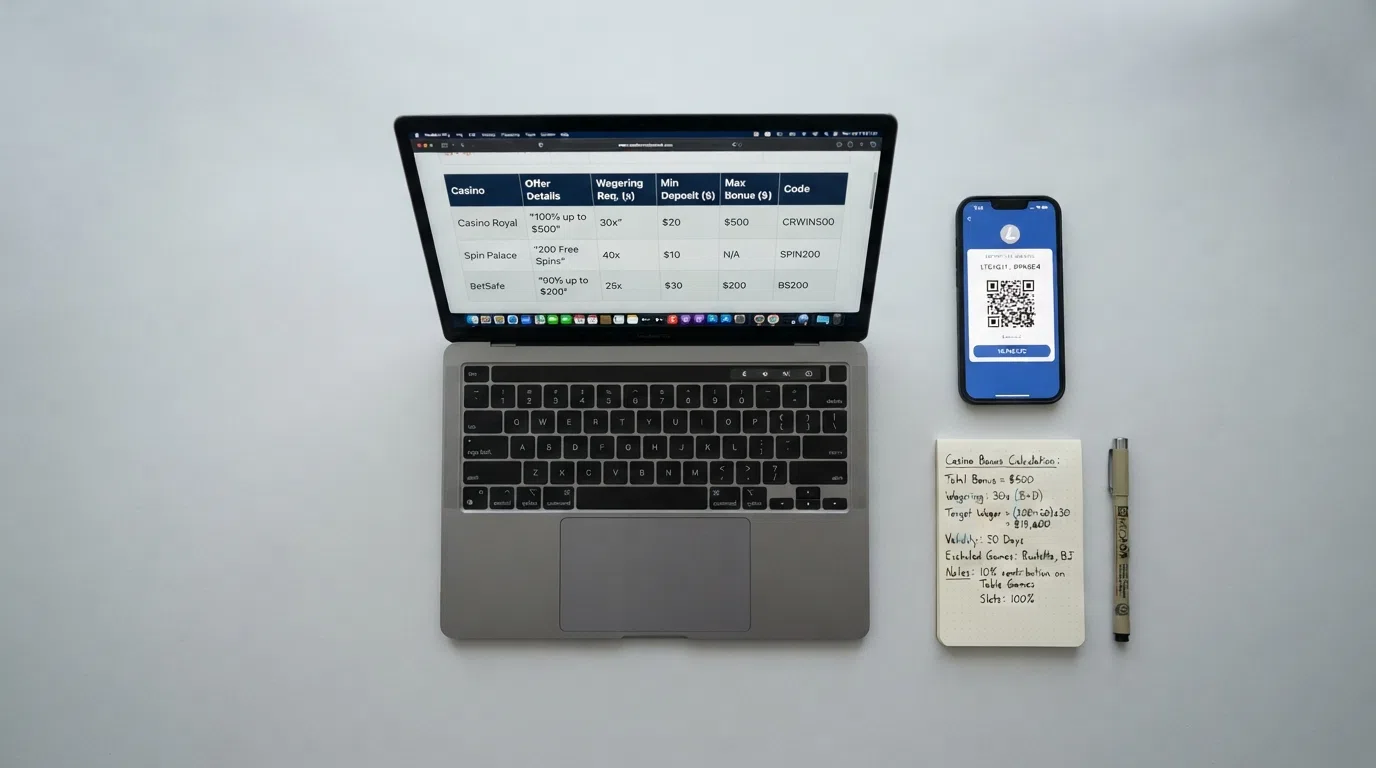
| Casino | Offshore Licence | Welcome Bonus | Free Spins | Wagering Requirement |
|---|---|---|---|---|
| Slottio | Costa Rica | 200% up to £500 | — | 10× |
| Donbet | Curaçao GCB | 150% up to £750 | 50 | 30× |
| Rolletto | Curaçao | 150% up to £500 | 200 | 30× |
| MyStake | Curaçao GCB | 150% up to £750 (300% / £1,500 over 3 deposits) | 30 no-deposit | 30× |
| Kaasino | Not confirmed | 225% up to £5,000 | 500 | 40× |
| Freshbet | Not confirmed | 300% up to £3,000 (over 3 deposits) | 200 | — |
| MadCasino | Curaçao GCB #161333 | 777% (cap not confirmed) | — | — |
| BC.Game | Curaçao eGaming | 180% up to 3 BTC | — | 40× |
| Spintime | Curaçao GCB | “Welcome Offer” (terms not confirmed) | — | 30× |
| BitStarz | Curaçao | UK players restricted | — | — |
Slottio — the 10× Wagering Standout
Slottio’s welcome offer is 200% up to £500 with a 10× wagering requirement on bonus funds and a £25 minimum deposit. That wagering multiple is the lowest in this review, and it matches the UKGC’s 10× cap on bonus wagering that took effect on 19 December 2025. A 10× multiplier at an offshore casino is, in other words, competitive even by licensed-market standards, because no GB-licensed casino is allowed to charge more. The licence is Costa Rica, which is a weaker regulatory framework than Curaçao GCB but not absent; the operator publishes its licence status in its terms. The game-provider line-up spans Pragmatic Play, NetEnt, Evolution, Hacksaw Gaming and BGaming, which is a broad enough spread to cover slots, live dealer and crypto-native titles. The reviewed source does not state a free-spin component. For any player targeting the lowest possible wagering hurdle, Slottio emerges as the clear choice in this operator comparison.
Donbet — 150% Match with Free Spins and a Curaçao Licence
Donbet offers 150% up to £750 plus 50 free spins, with 30× wagering on the bonus and a £20 minimum deposit. The Curaçao GCB licence is verifiable through the operator’s footer, and Curaçao GCB oversight, while far lighter than UKGC, does at least involve a registered master licence and an identifiable operator entity. The provider mix includes Pragmatic Play, Hacksaw Gaming and Push Gaming, with the Push Gaming presence worth noting for players who favour high-volatility slots from that studio. The 30× wagering is the median in this set, neither the cheapest to clear nor the worst, and the free-spin component adds variety to a welcome package that is otherwise a standard match bonus. For a player who wants a verifiable Curaçao licence, a moderate wagering load and a free-spin sweetener, Donbet is a balanced choice.
Rolletto — 200 Free Spins Across Five Days
Rolletto’s headline is the 200 free spins, structured as 50 awarded instantly on first deposit and 30 per day for five consecutive daily logins. The welcome bonus is 150% up to £500 with 30× wagering and a £20 minimum deposit. The daily-release mechanic is a retention tool: a player who skips a day loses that day’s batch of 30 spins, which is a real cost in calendar terms if a player does not plan around it. The Curaçao licence is stated but the specific master licence number was not in the reviewed source. Providers include Pragmatic Play, NetEnt, Evolution and Hacksaw Gaming. Rolletto is an effective option for players who can commit to daily logins to fully capture the available spin volume.
MyStake — Multi-Deposit Package with a No-Deposit Free-Spins Hook
MyStake’s welcome is a three-deposit ladder: 150% up to £750 on the first deposit, totalling 300% up to £1,500 across all three. Wagering is 30× on bonus funds, the minimum deposit is £20 and the licence is Curaçao GCB. The distinguishing feature is the 30 no-deposit free spins, the only no-deposit offer identified in the featured set, awarded without a deposit requirement. The multi-deposit structure means the headline 300% figure is only realised if the player funds all three deposits, and the wagering obligation applies to each stage separately. The provider line-up includes Pragmatic Play, NetEnt, Play’n GO, Evolution and Hacksaw Gaming, which is the broadest in the featured set. MyStake stands out for players intending to distribute their bankroll across multiple deposits, offering a no-deposit bonus as an additional incentive.
Kaasino — 225% Bonus and 500 Free Spins, but 40× Wagering
Kaasino offers the largest bonus cap in this review: 225% up to £5,000 plus 500 bonus spins, with 40× wagering and a £30 minimum deposit. The headline is large because the match percentage, the cap and the spin count are all at the top of the range. The wagering multiple is also at the top, tied with BC.Game. The licence status was not confirmed in the reviewed source, which is a transparency gap a player should weigh: every other Curaçao operator in this set publishes a verifiable GCB master licence. The provider mix (Pragmatic Play, NetEnt, Evolution, Play’n GO, Hacksaw Gaming) is strong. Kaasino is the pick for bonus-oriented players aiming for the highest potential value, assuming they are comfortable with a 40× wagering load and the absence of a verifiable licence.
Freshbet — 300% Across Three Deposits, High-Variance Slot Focus
Freshbet’s welcome package is 300% up to £3,000 plus 200 free spins, distributed across three deposits. The reviewed source did not state the wagering requirement or minimum deposit, which is a significant gap in the bonus terms a player can evaluate upfront. The licence status was likewise not confirmed. The provider focus, Push Gaming, Hacksaw Gaming, Pragmatic Play and Evolution, skews toward high-volatility slots, which is a deliberate positioning rather than an accident. For a player who likes volatile slots and is willing to dig into the terms page for the missing figures, Freshbet is an option; for a player who wants the numbers stated in the review, it is not.
MadCasino — 777% Welcome Bonus and the Lowest Minimum Deposit
MadCasino’s 777% welcome bonus is the highest match percentage in the set, and the £10 minimum deposit is the lowest entry point. The reviewed source did not confirm the bonus cap, the free-spin component or the wagering multiplier, so the headline figure sits without the terms that would let a player judge it. What the source does confirm is the Curaçao GCB licence number (#161333), which is verifiable through the Curaçao GCB register and is the single most concrete compliance fact on MadCasino’s page. Providers span Pragmatic Play, NetEnt, Evolution and Hacksaw Gaming. MadCasino suits a player with a small bankroll who wants the lowest possible entry point, on a licence that can be checked, accepting that the bonus terms are not fully stated in the reviewed source.
BC.Game — Crypto-Native Platform with a Bitcoin-Denominated Bonus
BC.Game is a pure crypto casino: the welcome bonus is 180% up to 3 BTC, the wagering is 40× and the game library runs into thousands of titles across Pragmatic Play, NetEnt, Evolution, BGaming and Hacksaw Gaming. No minimum deposit was stated in the reviewed source, which is consistent with a crypto-native model that lets the player send any amount. The licence is Curaçao eGaming, and the platform’s community features (chat, internal currency, leaderboards) reflect its origin as a crypto-first product rather than a fiat casino that added a Litecoin button. The 3 BTC cap means the bonus value moves with the BTC/LTC exchange rate; on the day a player claims it, the LTC equivalent could be materially higher or lower than at sign-up. BC.Game fits a player who wants the crypto-native experience end to end, including a BTC-denominated bonus and a deep game library.
Spintime — Straightforward Curaçao Operator with a 30× Wagering Standard
Spintime is the simplest entry in the set: a Curaçao GCB-licensed casino with a 30× wagering requirement and a £20 minimum deposit. The reviewed source describes the welcome offer only as a “Welcome Offer” without further specifics, which limits what a player can compare against the other operators’ published terms. The provider mix (Pragmatic Play, NetEnt, Evolution, Hacksaw Gaming) matches the median in this review. Spintime suits a player who wants a Curaçao-licensed operator with standard terms and does not need the headline-grabbing match percentages or spin counts that the larger operators use to draw attention.
BitStarz — Award-Winning but Restricted for UK Players
BitStarz is the operator most casual readers will have heard of, and the one that disappoints them. The brand lists the United Kingdom among its restricted countries, so a UK player attempting to register is blocked at the door. The Curaçao licence, the 50 no-deposit free spins and the 40× wagering reported in third-party reviews all apply to markets where BitStarz does accept players, not the UK. The minimum deposit is around $3, roughly 0.075 LTC at recent rates, but that figure is moot for UK residents. BitStarz is included here so that UK readers searching the brand by name understand why it does not appear in their options, rather than wondering whether they missed something. It is not a viable choice for UK players in 2026.
Why Your Litecoin Casino Bonus Is Smaller Than It Looks
A 200% welcome bonus sounds like free money. It is not. Three mechanisms erode the headline figure before any winnings become withdrawable, and offshore casinos set all three on their own terms.
Wagering requirements are the first erosion. A 30× wagering multiplier on a £100 bonus means the player must place £3,000 in qualifying bets before the bonus and any winnings tied to it become withdrawable. The bet volume is what costs the player, not the bonus amount, and the house edge on every qualifying bet does the rest. A 200% match at 10× wagering clears faster, and costs less in expected losses, than a 300% match at 40×, even though the second headline looks more generous.
Game weightings are the second. Most slots contribute 100% of each bet to the wagering requirement; table games and live dealer games often contribute 5–20%. A player who tries to clear a bonus by playing blackjack, which contributes at 10%, has to wager ten times as much as a slot player clearing the same bonus, and the house edge on blackjack is lower so the expected loss per pound wagered is different again. The result is that the “fastest” way to clear a bonus is rarely the one a player would choose for entertainment.
Caps and maximum bets are the third. Offshore bonus terms typically include a maximum-bet rule during wagering (often £5 per spin or hand) and a maximum-cashout cap on bonus-derived winnings. Both are designed to stop a player from clearing the wagering with a single lucky large bet, and both shrink the real value of the bonus.
The UKGC benchmark, the 10× wagering cap that took effect on 19 December 2025, is the only regulated point of comparison. Offshore casinos are not bound by it. Slottio’s 10× matches the UKGC cap, which is why it stands out; Kaasino’s 40× is four times the regulatory ceiling, and that gap is exactly what the player pays in turnover.
Welcome Bonuses for Litecoin Deposits: What the Featured Operators Actually Offer
The match percentages across the set range from 150% (Donbet, Rolletto, MyStake) to 777% (MadCasino), with caps from £500 (Slottio, Rolletto) to £5,000 (Kaasino) and a 3 BTC cap at BC.Game. A 200% match with a £500 cap means a £250 deposit maxes the bonus, and depositing more does not increase it. The 777% headline at MadCasino is unconfirmed in its cap and terms; without those, the figure does not let a player calculate the real value. MyStake and Freshbet structure their bonuses across three deposits, and the headline percentages apply to the total, not the first deposit alone.
Free spins range from zero (Slottio, MadCasino, Spintime, BC.Game) to 500 (Kaasino), with the most generous daily-release structure at Rolletto (50 instant plus 30 per day for five consecutive logins). MyStake is the only operator in the set offering no-deposit free spins.
Free Spins and No-Deposit Offers: What UK Players Actually Get
Free-spin counts are the visible sweetener, and they vary widely. The structures matter as much as the counts: Rolletto’s daily-release model ties 150 of the 200 spins to five consecutive logins, so the effective value depends on whether the player shows up. Kaasino’s 500 spins are a one-lump number with no daily mechanic stated. Free-spin winnings are almost always subject to the same wagering requirement as the cash bonus, and they often carry a separate maximum-cashout cap, which can be a few tens of pounds regardless of how the spin lands.
No-deposit offers, where the casino credits free spins or bonus cash without a deposit, are rare across the featured set. MyStake’s 30 no-deposit free spins is the only one identified. No featured operator currently offers a standalone no-deposit cash bonus for Litecoin deposits, which is worth knowing before a player goes looking.
Wagering Requirements, Game Weightings and Why They Rewrite Every Bonus
The arithmetic that turns a headline bonus into a real cost runs as follows. The bonus amount times the wagering multiplier is the total qualifying turnover. For Kaasino, that is £5,000 × 40 = £200,000 in bets that must be placed before the bonus converts. For Slottio, a £500 bonus at 10× is £5,000 in turnover. The turnover gap between the two is forty-fold, and that gap is what the player actually pays in expected losses, not the difference in match percentage.
The expected cost of clearing a bonus, using the standard formula of turnover × (1 − RTP), depends on the game played. A representative slot RTP of 96.71% (Big Bass Bonanza, Pragmatic Play) means every £100 wagered costs the player, on average, £3.29. A £5,000 turnover therefore costs about £165 in expected losses. A £200,000 turnover, the Kaasino scenario, costs about £6,580 in expected losses. The headline “up to £5,000” bonus carries a hidden price tag roughly forty times higher than the Slottio bonus, and that is before any cap on withdrawable winnings applies.
Game weightings layer further on top. A player who tries to clear a bonus on a game that contributes 10% to wagering must place ten times the volume of bets, multiplying the expected loss accordingly. Slots at 100% contribution remain the fastest path to a cleared bonus, and the most expensive per pound of entertainment.
What You Can Actually Play with Litecoin at UK-Facing Casinos
The game libraries at the featured offshore operators are deep, typically running into the low thousands of titles, and the provider mix is dominated by the same studios that supply UKGC-licensed casinos. Pragmatic Play, NetEnt, Evolution, Play’n GO and Hacksaw Gaming appear across most of the set. Pragmatic Play and Evolution bring the live dealer catalogue. BGaming and Hacksaw Gaming bring provably fair titles and high-volatility slots. The breadth is not the differentiator; the difference is what the regulatory framework does not enforce. Offshore casinos are not bound by the UKGC’s 2.5-second spin-speed floor, its auto-play ban, its stake caps or its game-design restrictions, so slot mechanics can be more aggressive, more volatile, and faster to play.
Litecoin Slots: The Titles, the RTPs and the Reality
Four slot titles appear consistently across the featured operators and have published RTP and volatility data that lets a player compare them on equal terms. These are the slots most likely to be the ones a player actually loads, and the ones whose RTPs feed directly into the bonus-cost calculation.
| Slot Title | Provider | RTP | Volatility | Max Win |
|---|---|---|---|---|
| Big Bass Bonanza | Pragmatic Play | 96.71% | Medium | ~2,100× |
| Sweet Bonanza | Pragmatic Play | 96.48% | — | 21,100× |
| Book of Dead | Play’n GO | 96.21% | High | ~5,000× |
| Starburst | NetEnt | 96.09% | Low | ~500× |
The four RTPs sit within a tight band, 96.09% to 96.71%, which is typical of mainstream slots from major providers. The volatility and max-win figures tell the more useful story. Big Bass Bonanza is medium volatility with a 2,100× ceiling, a balance between session length and upside. Sweet Bonanza’s 21,100× max win is a clear high-variance play, with longer dry stretches and rarer but much larger hits. Book of Dead sits in the high-volatility camp with a 5,000× max win, a classic high-variance slot profile. Starburst is the opposite end: low volatility, ~500× max win, frequent small hits and long sessions. For bonus clearing, the low-volatility slots preserve balance longer and let the wagering requirement tick down at a steadier pace; the high-volatility titles can clear the requirement in a single lucky spin or burn through the bonus in a hundred dead ones.
Live Dealer and Table Games with Litecoin
Live dealer games, blackjack, roulette, baccarat, game-show titles, are available at most featured operators through Evolution and Pragmatic Play Live. The studios stream from purpose-built facilities with real dealers, and the games are not provably fair: the outcome is determined by physical equipment, not a hashed seed. They are regulated instead by the game provider’s own licence, typically from Malta Gaming Authority or the UK Gambling Commission for the studio, and by the operator’s offshore licence for the front end.
Table-game RTPs run higher than slots. European roulette pays 97.3%, blackjack variants sit around 99.5% with basic strategy, baccarat on the banker bet is around 98.9%. These are stronger returns for the player, but game weightings at most offshore casinos mean live dealer bets contribute only a fraction (often 5–20%) to wagering requirements, which makes them an expensive way to clear a bonus despite the better per-bet return. For entertainment rather than bonus clearing, live dealer at an offshore casino delivers a comparable product to a UKGC-licensed site, with the same games and the same providers, on an unlicensed platform.
Free Play, Demo Mode and Trying Games Without Risk
Demo mode is widely available at offshore casinos, often without requiring registration, which is a structural difference from UKGC-licensed sites, where identity verification is required before any play, including demo. A UK player who wants to test a slot’s volatility or a game catalogue’s depth can do so at most featured operators without creating an account, depositing, or sharing personal details. That is a real practical advantage, and one that disappears the moment a real-money deposit is made: offshore casinos that allow anonymous demo play almost universally require KYC before the first withdrawal.
The asymmetry is the point to watch. Demo play without KYC, withdrawal only after KYC, and a casino that holds the winnings in the gap. Most operators process KYC efficiently, but the leverage sits with the casino, not the player, and that is the practical cost of the offshore route.
Playing Litecoin Casinos on Mobile: What UK Players Get in 2026
Most featured Litecoin casinos are mobile-browser-optimised rather than app-store-listed. A UK player opens the casino in Safari or Chrome on iOS, or in Chrome on Android, logs in, and plays; the HTML5 client adapts to the screen and runs the same game library. This is the default delivery model for offshore crypto casinos, and it sidesteps the Google Play and Apple App Store restrictions on real-money gambling apps that limit what a UK-facing casino can publish to a store.
The mobile payment flow is the part that matters. Sending LTC from a mobile wallet (Trust Wallet, Exodus, or a hardware wallet paired with a mobile companion app) to a casino deposit address is a copy-paste-and-confirm operation that takes under a minute. Mobile slot performance, particularly for the lighter HTML5 slots from Pragmatic Play and NetEnt, is smooth on current-generation devices; live dealer streams scale down to mobile bandwidth without major quality loss.
The trade-off is the absence of biometric login, push notifications and the other polish that a native app adds. A player who values those features will not find them at most offshore crypto casinos, because the operators do not invest in a native app when a mobile web client covers the same ground.
The Privacy Promise of Litecoin Casinos — and Where It Falls Short
Crypto casinos market themselves on privacy, and the marketing is half-true. Depositing Litecoin from a personal wallet to a casino address does not require a card number, a sort code, or a name. The transaction is recorded on the Litecoin blockchain, but the addresses are pseudonymous strings, not personally identifiable information. A player who funds the wallet from a non-KYC source and withdraws to a personal wallet they control leaves a thinner paper trail than the same player funding a UKGC-licensed account with a debit card.
The half that is not true: most offshore casinos require identity verification at withdrawal, even if they skip it at deposit. A player who deposits anonymously and wins cannot withdraw anonymously; the casino demands passport, proof of address and sometimes source-of-funds documentation before broadcasting the payout. The privacy the marketing promised evaporates at the moment the player wants to convert the balance back into spendable funds.
The other half that is not true: Litecoin’s blockchain is a public ledger. Every transaction is permanently recorded. If a player deposits from a wallet that has ever been linked to a KYC exchange, that link is in the chain. Chain analysis firms sell this data to compliance teams, and offshore casinos have been known to engage them when large balances are at stake. Pseudonymous, not anonymous, is the precise description.
New Litecoin Casinos UK: What 2026 Launches Bring to the Table
The offshore casino market is fluid, and the “new” cohort in 2026 includes several operators that did not exist in their current form two years ago. Kaasino and Freshbet both sit in this newer bracket, and both lean on aggressive welcome packages to attract first-time depositors: a 225% match with 500 free spins at Kaasino, a 300% three-deposit package at Freshbet. New does not mean untested, but it does mean a thinner track record of player complaints, payout consistency and licence stability. A player choosing a newer operator accepts the lack of long-term community feedback as a real cost, and should plan a small test withdrawal before committing meaningful funds.
The structural shift worth noting is that “new” in the offshore crypto space increasingly means a fresh Curaçao GCB sub-licence, a familiar game-provider aggregation deal, and a marketing budget aimed at affiliate listicles. The product underneath is often the same white-label platform with a different paint job. That is not inherently bad, but it is the reason the bonus terms, the games and the player experience at a brand-new casino often look interchangeable with three of its competitors.
The Legal Reality of Litecoin Casinos in the UK
The UK Gambling Commission regulates gambling in Great Britain under the Gambling Act 2005, extended to remote operators serving GB customers by the Gambling (Licensing and Advertising) Act 2014. Any operator taking GB customers on online casino games needs a GB operating licence, full stop. The Commission’s public register of licence holders, last updated 29 July 2026, is searchable by anyone and lists every licensed operator.

No entry on that register accepts cryptocurrency deposits. The absence is not a published ban. The UKGC has not issued a rule prohibiting crypto deposits at licensed operators; rather, the source-of-funds, AML and LCCP compliance framework that any GB-licensed casino must satisfy has, in practice, made direct crypto deposits incompatible with the licensed market. The result is the same: a UK player who wants to deposit Litecoin at an online casino uses an offshore site, and that site does not hold a GB licence.
Operating without a GB licence while serving GB customers is a criminal offence under section 33 of the Gambling Act 2005, carrying up to 51 weeks’ imprisonment, an unlimited fine, or both. The Commission’s enforcement response is disruption rather than ISP-level blocking: cease-and-desist notices, search-engine delisting referrals, domain-registrar action, payment-provider referrals. Published figures for April 2024 to June 2025 record 3,140 disruption notices, 447,778 URLs referred to search engines, 287,961 URLs removed, and a 32% average fall in engagement across 160 disrupted sites. The Commission does not currently hold statutory ISP or DNS blocking powers; legislation has been proposed but not enacted.
The enforcement model targets operators, not players. No criminal penalty exists for a UK resident who simply gambles on an unlicensed site. What the player loses is the consumer-protection layer: no GAMSTOP coverage, no UKGC complaints route, no approved Alternative Dispute Resolution provider, no British consumer redress if the casino withholds winnings. The UKGC issued a consumer-information notice in February 2025 noting that Stake.uk.com would no longer be a licensed site, with TGP Europe shutting the platform by 11 March 2025, a concrete example of an operator leaving the GB market rather than operating outside it.
The tax context is the licensed operator’s, not the player’s. Players pay no tax on gambling winnings; the betting duty was abolished in 2001. The operator pays Remote Gaming Duty, which rose from 21% to 40% from 1 April 2026, and a statutory levy of 1.1% of gross gambling yield from 6 April 2025. Both costs are absorbed into the offshore casino’s product economics; neither reaches the player directly.
UKGC Licensing and Why Crypto Deposits Do Not Fit the Regulated Market
The licensability gap is not a published prohibition on cryptocurrency. It is the accumulated weight of compliance obligations the licensed market has built up over the last five years. Source-of-funds checks, customer due diligence, anti-money-laundering reporting, the financial-vulnerability threshold at £150 net deposits in 30 days (in force from 28 February 2025), the mandatory financial-limit prompt before first deposit (from 31 October 2025), the affordability-check framework that is announced but not yet commenced, all of these are designed around fiat payment rails where the operator sees a real identity and a real bank. Crypto deposits break that chain. The operator receives funds from a wallet address, not a verified bank account, and the source-of-funds trail runs through a blockchain that the operator is not equipped to investigate to the standard the UKGC requires.
A licensed operator could in principle build that capability, and some have explored it. None has launched a crypto cashier at a GB-licensed casino. The market reality in 2026 is that the product does not exist in the regulated space, and the offshore operators that offer it do so because they are not bound by the framework that keeps it out.
GamStop, Self-Exclusion and the Offshore Gap
GAMSTOP is the national multi-operator self-exclusion scheme. Every GB-licensed online operator must participate, and the scheme has been mandatory since 31 March 2020. A player who registers with GAMSTOP is excluded from every GB-licensed gambling site for a period of their choice: six months, one year, five years, or five years with auto-renewal. The exclusion cannot be reversed or cancelled early.
None of the featured Litecoin casinos participate in GAMSTOP, because none holds a GB licence. The keyword pattern “not on GamStop” is prominent in search results for this exact topic, and it signals intent: a player who has self-excluded at a UKGC-licensed casino and is now searching for a way to keep playing has found one in the offshore Litecoin market. The self-exclusion mechanism that GAMSTOP provides does not reach those sites, and the offshore operators have no obligation to honour a GAMSTOP registration.
A self-excluded player who opens an account at an offshore Litecoin casino is not breaking a UK law, because the self-exclusion is a contract between the player and the GAMSTOP-registered operators. But the underlying decision to exclude was made for a reason, and the offshore route bypasses the mechanism designed to support it. The responsible-gambling section of this page lists the help resources available to any UK resident, including a player who has already moved offshore.
Non-GamStop and Offshore Casinos: What the Gambling Commission Can and Cannot Do
The Commission’s enforcement reach is real but bounded. Disruption notices can take a site’s URLs out of UK-facing search results; domain registrars can be asked to suspend a domain; payment providers can be referred. What the Commission cannot do is block access at the ISP or DNS level without further legislation. A determined UK player with a VPN and a direct casino URL can still reach the offshore site the Commission’s disruption team has worked to de-list.
The 32% engagement fall across 160 disrupted sites is a real number and a real effect, but it is also a number that shows the disruption model reduces, rather than eliminates, the player flow. The offshore casino does not close; it loses some of its UK search visibility and keeps operating.
For the player, the practical takeaway is that the offshore casino is not going to be shut down by the regulator on a player’s behalf. If the casino withholds winnings, the player has no UKGC complaint route, no approved ADR and no statutory compensation scheme. The recourse is to the casino’s own customer service, to community forums, to chargeback attempts through the player’s bank or wallet provider, or to private legal action in the casino’s licensing jurisdiction. None of these is fast, and none is guaranteed.
Safety, Security and What UK Players Actually Risk
The concrete downsides of playing at an offshore Litecoin casino, ranked by likelihood, run as follows. First, the casino applies a bonus term the player did not read, voids a withdrawal, and the player has limited recourse. This is the most common complaint pattern in offshore casino forums. Second, the casino is slow to pay, requesting additional KYC documents in a loop that delays withdrawal for weeks. Third, the casino disappears, and the player’s balance vanishes with it. This is rarer but not theoretical, and it is the failure mode that has no recovery path.
The mitigations a player can apply: check the licence against the regulator’s register (Curaçao GCB publishes a list of authorised operators), read the bonus terms in full before depositing, test the withdrawal process with a small amount before committing meaningful funds, and check community forums for the casino’s complaint history over the last twelve months. None of these is foolproof, and all of them take time, which is the real cost of the offshore route.
A secondary risk is Litecoin’s price volatility. A balance held in LTC can change value overnight against GBP, and a win that looked large in LTC terms may be worth less by the time the player converts. Players who care about the GBP value of their balance should either withdraw to fiat promptly or hold their casino balance in a fiat-denominated casino, which means a hybrid operator that converts on deposit.
How to Choose a Litecoin Casino UK Players Can Trust
The decision framework, ordered by leverage, is licence first, terms second, withdrawal test third, reputation fourth. Everything else is a secondary consideration.
Licence verification is the cheapest step. A Curaçao GCB licence can be checked on the regulator’s published register; a master licence number in the casino’s footer is the starting point. Costa Rica is harder to verify because Costa Rica does not publish an equivalent public register of licensed operators; the licence status is therefore less confirmable. An unstated licence, as appears for Kaasino and Freshbet in the reviewed sources, is a transparency gap that the player should weigh, not ignore.
Terms verification is the second step. The wagering multiplier, the game-weighting table, the maximum-bet rule during wagering, the maximum-cashout cap, the time limit on bonus use: all of these should be readable on the casino’s terms page before a deposit. A casino that buries these in a sub-page or uses ambiguous language is a casino to be cautious with.
Withdrawal testing is the third step. A small LTC deposit, played briefly, then withdrawn, exercises the full payout path. If the casino pays within its stated timeframe without requesting unreasonable documentation, the player has real evidence the operator functions as advertised. If the first withdrawal stalls, the player has not committed a meaningful balance.
Reputation is the fourth step. Community forums, review aggregators and complaint histories on sites like Askgamblers give a longer view than any single review can. A casino with a pattern of withheld withdrawals or stalled payouts is a casino to avoid, regardless of how good its bonus looks.
Key Factors to Compare: Licence, Terms, Games and Reputation
The four pillars every UK player should weigh are licence jurisdiction, bonus terms, game catalogue and community reputation, in that order. A Curaçao GCB licence, while lighter than UKGC, is a verifiable registration with an identifiable operator entity. A Costa Rica licence is harder to confirm because Costa Rica does not maintain a public operator register. An unstated licence is a red flag, not a disqualification, but it raises the bar on the other three pillars.
Bonus terms beyond the match percentage, the wagering multiplier, the game-weighting table, the maximum-bet rule, the maximum-cashout cap, the time limit on bonus use, separate the real value of an offer from the headline. The featured operators’ terms, as published, range from Slottio’s competitive 10× wagering to Kaasino’s 40× and BC.Game’s 40×, with the median at 30×. None of them are constrained by the UKGC’s 10× cap.
Game catalogue depth matters because bonus clearing takes volume, and a casino with a thin catalogue forces the player to grind the same handful of slots. All ten featured operators carry the major providers; the question is whether they have enough slots to keep wagering fresh. The live dealer offering is the secondary layer, and Evolution’s presence is the quality marker.
Community reputation is the lagging indicator. A casino with a long history of prompt payouts and reasonable bonus enforcement will have a community footprint to match. A new casino will not, and the player accepts that uncertainty as a cost.
Staying in Control: Responsible Gambling at Offshore Litecoin Casinos
Offshore Litecoin casinos are not required to offer the responsible-gambling tools the UKGC mandates at GB-licensed sites. There is no mandatory financial-limit prompt before the first deposit, no £150 rolling-30-day vulnerability check, no GAMSTOP integration, no statutory slot stake cap of £5 for adults aged 25+ or £2 for adults aged 18–24. The features the UKGC’s 2025 reforms introduced (auto-play ban, 2.5-second spin-speed floor, mixed-product bonus ban, reverse-withdrawal ban) do not apply offshore.
What some offshore casinos offer voluntarily varies. Self-exclusion at the account level is common. Deposit limits and reality checks exist at some operators, with no consistency across the set. The player cannot assume any particular tool is present at any particular site, and must check the responsible-gambling or player-protection page of the specific operator.
The help infrastructure that exists for UK residents does not depend on which casino the player uses. The National Gambling Helpline (run by GamCare on behalf of the NHS) is free, confidential and available 24/7. The NHS runs gambling-harm treatment clinics in England, Scotland and Wales. GambleAware publishes a self-assessment tool built around the Problem Gambling Severity Index. Peer support is available through Gamblers Anonymous, GamFam, and Gambling with Lives. The prevalence data behind these services comes from the Health Survey for England 2024, which found 5% of adults with a PGSI score of 1 or more, and the Gambling Survey for Great Britain 2024, which recorded 2.7% of adults at the problem-gambling threshold (PGSI 8+). These services exist regardless of where the player gambles, and a player who feels the balance has tipped is not required to be at a UKGC-licensed casino to use them.
UK Help Resources: Where to Turn Regardless of Where You Play
The full directory of GB gambling-harm support:
- National Gambling Helpline (GamCare): 0808 8020 133 — free, confidential, 24/7.
- GambleAware: free, confidential self-assessment tool and support resources.
- NHS gambling-harm treatment clinics in England, Scotland and Wales.
- Gamblers Anonymous: peer-support meetings across the UK.
- GamFam: support for families affected by gambling harm.
- Gambling with Lives: bereavement support for those who have lost someone to gambling-related suicide.
These services are available to any UK resident, irrespective of whether they play at a UKGC-licensed casino, an offshore Litecoin casino, or both.
What Offshore Casinos Do Not Give You: Deposit Limits, Reality Checks and the Safety Net
The UKGC’s 2025 reform package created a specific set of safeguards that bind GB-licensed operators and do not bind offshore ones. The mandatory financial-limit prompt before the first deposit (from 31 October 2025) requires a GB-licensed casino to ask the player to set a limit, with decreases taking effect immediately and increases subject to a delay. The financial-vulnerability check at £150 net deposits in 30 days (from 28 February 2025) triggers a publicly-sourced data review, with the player asked to confirm income and outgoings. The statutory slot stake caps (£5 for 25+, £2 for 18–24) apply to online slots at GB-licensed sites and do not apply offshore, where a single spin can be staked at any amount the casino accepts. Reality checks, time-outs, auto-play bans and the 2.5-second spin-speed floor are all GB-licensed requirements that offshore casinos are not obliged to implement.
A player who values these safeguards and plays at an offshore Litecoin casino has left them behind. The player-side substitutes are weaker: personal discipline, a separate LTC wallet with a fixed balance, voluntary self-exclusion at the casino account level, and the GB help infrastructure listed above. None of these is a substitute for a regulator-mandated framework that applies before the player has to make a decision.
How We Selected and Ranked These Litecoin Casinos
The operator set was drawn from reviewed sources covering the UK-facing crypto-casino market: Pamtree.com, casinos-uk.com, CryptoSlate and Gamblingpedia.co.uk. Each operator was checked against the UK Gambling Commission’s public register of licence holders to confirm it holds no GB operating licence, which is consistent with the broader finding that no UKGC-licensed casino accepts cryptocurrency deposits.
The ranking criteria, in order of weight, are bonus value and wagering terms, licence transparency and verifiability, game-provider breadth, and minimum deposit accessibility. The ranking is qualitative, with no invented weightings or composite scores. Operators with unstated licence status (Kaasino, Freshbet) or material gaps in their published terms (Freshbet’s wagering, MadCasino’s bonus cap, Spintime’s welcome offer details) are presented as such rather than inferred. BitStarz is included for transparency so UK readers searching the brand understand it is restricted, rather than because it is a viable option.
This page does not claim to be exhaustive. The offshore crypto-casino market is large, and the keyword “casinos that accept Litecoin UK” returns operators beyond this set. The ten covered here are the ones the research corpus documented, and the comparison data and bonus analysis in the body of the page equip the reader to evaluate any other Litecoin casino they encounter against the same criteria.
What UK Players Should Actually Do About Litecoin Casinos in 2026
The two-part reality this page has built towards is straightforward. Litecoin casinos offer genuine speed, cost and privacy advantages over the payment methods available at UKGC-licensed casinos. Every one a UK player can access in 2026 operates outside the GB regulatory perimeter, with the loss of GAMSTOP coverage, UKGC complaints, approved ADR and statutory consumer redress that implies.
The concrete checklist, built from every section above, is this. Verify the offshore licence against the regulator’s register before depositing. Read the bonus terms in full, with particular attention to the wagering multiplier, the game-weighting table and the maximum-cashout cap. Understand that GAMSTOP, ADR and UKGC complaints do not apply. Test the withdrawal process with a small amount before committing a meaningful balance. Set personal limits, use a separate LTC wallet with a fixed balance, and remember that none of the UKGC’s responsible-gambling tools apply at the offshore casino itself. If gambling stops feeling like a choice, the National Gambling Helpline on 0808 8020 133 is free, confidential and available 24/7.
This page does not pick an operator. The comparison data, the bonus analysis and the legal context are the equipment the reader needs to make that call themselves.
Frequently Asked Questions
Are Litecoin casinos safe if they are not on GamStop?
Safety and GamStop coverage are separate questions. A Litecoin casino that does not participate in GamStop is not bound by the UKGC’s responsible-gambling requirements, including the mandatory financial-limit prompt, the financial-vulnerability check at £150 in 30 days and the statutory slot stake caps. The casino’s safety depends on its offshore licence (Curaçao GCB is verifiable, Costa Rica less so, unstated is a gap), its published terms and its withdrawal track record. GAMSTOP itself is a self-exclusion tool, not a safety certification; its absence means the self-exclusion mechanism does not reach that operator.
How quickly do Litecoin casinos pay out compared to Bitcoin casinos?
Litecoin blocks clear roughly every two and a half minutes, faster than Bitcoin’s ten-minute target, so the blockchain leg of a withdrawal is shorter at an LTC casino. The operator-review leg is the variable, and it is similar across both cryptocurrencies because the review process does not depend on the coin. Crypto-native operators market same-day or instant payouts once KYC is complete; hybrid operators that accept both fiat and crypto typically take one to three business days. The blockchain speed difference is real but small relative to the operator’s processing time.
Does using Litecoin at online casinos cost extra?
The Litecoin network fee is negligible, typically a fraction of a US cent. The costs a player actually encounters are the operator’s deposit or withdrawal fee (where one is charged, typically 0.1–0.5% presented as a processing charge) and the exchange-rate spread when a hybrid casino converts LTC to fiat on deposit or withdrawal. The spread is the larger of the two costs and the harder one to see, because it is embedded in the rate the casino posts rather than displayed as a separate fee. A casino that maintains a native LTC balance avoids the spread; a casino that converts does not.
What happens if a Litecoin casino withholds my winnings — do I have any recourse?
No UKGC complaints route, no approved Alternative Dispute Resolution provider and no British consumer redress apply at an offshore casino. The player’s options are the casino’s own customer service, public complaint channels and community forums, chargeback attempts through the funding source, and private legal action in the casino’s licensing jurisdiction, typically Curaçao, Costa Rica or Anjouan. None of these is fast, and none is guaranteed. This is the single most concrete loss a UK player accepts when playing outside the GB regulatory perimeter, and the reason a small test withdrawal before committing meaningful funds is the standard mitigation.
Does Litecoin’s price volatility affect my casino balance?
Yes, if the casino maintains a native LTC balance. A win worth 0.1 LTC at the time it is credited is worth whatever 0.1 LTC is worth in GBP at the time the player converts, which may be materially different. A casino that converts to fiat on deposit removes the volatility from the playing balance but introduces the exchange-rate spread at the conversion. Players who care about the GBP value of their balance should either withdraw promptly to fiat or accept that the casino balance is a crypto position subject to market movement.
Crypto-Only vs Multi-Currency Casinos: Does It Matter for UK Players?
The split between crypto-native and hybrid operators shapes the player experience more than the licence does. Crypto-only casinos (BC.Game, BitStarz) maintain native LTC wallets, denominate bonuses in cryptocurrency, support a wider range of altcoins, and often run their own community features. The bonus at BC.Game is 180% up to 3 BTC, and the player never sees a fiat figure unless they convert one.
Multi-currency or hybrid casinos (MyStake, Rolletto, Donbet, Slottio, Kaasino, Freshbet, MadCasino, Spintime) accept LTC alongside fiat, but may convert the LTC deposit to EUR or USD on receipt, which means the player is playing in fiat and the bonus is denominated in fiat. The exchange-rate spread at conversion is the hidden cost of the hybrid model, and it applies at both ends of the transaction.
For a UK player, the practical question is whether the casino maintains an LTC balance or converts on deposit. If it converts, the player is paying the spread; if it does not, the player holds crypto denominated in a price-volatile asset, which is a different kind of risk.
Are Litecoin Casinos Still Worth It for UK Players in 2026?
The pros are real. Deposits confirm in minutes, network fees are negligible, the privacy story is stronger than debit cards at UKGC sites, and no credit-card friction applies because the payment is not a credit-card transaction. The bonus values are larger than anything a UKGC-licensed casino can offer, because the offshore operator is not bound by the 10× wagering cap or the mixed-product bonus ban.
The cons are equally real. No UKGC protection. No GAMSTOP coverage. No approved ADR. No British consumer redress. Bonus terms with no regulatory ceiling on wagering multipliers. KYC still required at withdrawal for most operators, despite the marketing around anonymous play. And the casino’s licence jurisdiction, not the UK courts, sets the rules of the road if anything goes wrong.
The judgement call the reader is left to make is whether the speed, cost and privacy advantages outweigh the loss of the regulatory safety net. The page does not make that call for the reader, because the answer depends on a reader’s bankroll, their tolerance for unregulated recourse, and the value they place on the protections the UKGC framework provides. A player who already self-excludes via GAMSTOP, or who wants the £150 financial-vulnerability check, or who values the UKGC complaints route, has a clear answer in the negative. A player who places a small balance, reads the terms carefully, tests the withdrawal and accepts the trade-off has a different one.
Payments – fastestpayout-casinos-uk
Content created by the «fastestpayout-casinos-uk» team